

Logistics services help businesses move, store, manage, and deliver goods efficiently. Whether products travel from a manufacturer to a warehouse or from a business to a customer, logistics ensures every stage of the supply chain runs smoothly. Good logistics services reduce delays, improve delivery performance, lower operational costs, and help businesses meet customer expectations.
From small businesses to large organisations, logistics services play a vital role in keeping products moving safely and efficiently across the UK and beyond.
What Are Logistics Services?
Logistics services involve planning, managing, and coordinating the movement of goods from one location to another. They cover much more than transportation and include storage, inventory management, order fulfilment, and delivery planning.
Definition of Logistics
Logistics are the processes used to organise, transport, store, and deliver goods efficiently. Their main purpose is to ensure products reach the correct destination safely, on time, and in the right condition.
Why Are Logistics Services Important?
Without effective logistics, businesses may experience delivery delays, stock shortages, increased costs, and dissatisfied customers. Efficient logistics keeps supply chains running smoothly and supports daily business operations.
Who Uses Logistics Services?
Logistics services are used by businesses of all sizes across many industries. Companies rely on logistics providers to move products efficiently between suppliers, warehouses, retailers, and customers.
Businesses That Commonly Use Logistics Services
Retail companies
Manufacturers
eCommerce businesses
Construction firms
Healthcare providers
Food distributors
How Do Logistics Services Work?
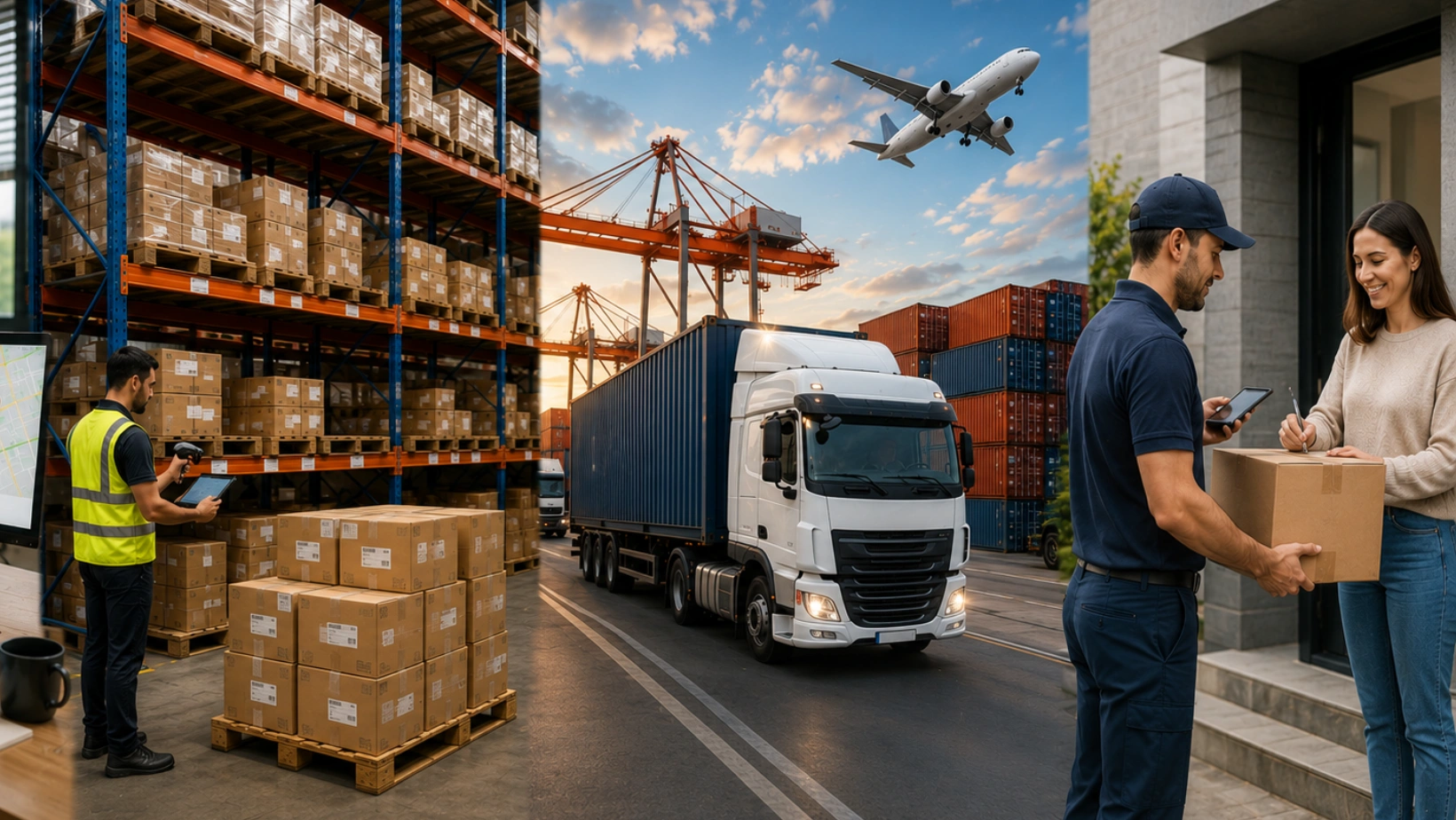
Logistics is a step-by-step process that manages goods from collection to final delivery.
Step 1: Order Planning
The logistics process begins when a customer places an order or a business schedules a shipment. Delivery requirements, destinations, and timelines are planned before transportation begins.
Step 2: Storage and Inventory Management
If goods are not delivered immediately, they are stored safely in warehouses. Inventory systems help businesses monitor stock levels and prepare orders accurately.
Step 3: Transportation
Products are transported using suitable vehicles depending on their size, weight, and destination. The goal is to move goods safely and efficiently while meeting delivery schedules.
Step 4: Final Delivery
The final stage involves delivering goods to the customer, business, or project site. Proof of delivery and shipment tracking help confirm successful completion.
Typical Logistics Process
Order received
Goods prepared
Inventory checked
Shipment scheduled
Transport arranged
Delivery completed
Main Types of Logistics Services
Different businesses require different logistics solutions depending on their products and operations.
Transport Logistics
Transport logistics focuses on moving goods between locations. This includes local deliveries, nationwide transport, and international shipments using road, air, sea, or rail transport.
Warehouse Logistics
Warehousing involves storing goods securely until they are needed. Well-managed warehouses help businesses maintain stock levels and improve order fulfilment.
Distribution Logistics
Distribution services ensure products move efficiently from warehouses to retailers, businesses, or customers through organised delivery networks.
Reverse Logistics
Reverse logistics manages returned goods, repairs, recycling, or product exchanges. This process helps businesses handle customer returns efficiently.
Common Logistics Services
Transport management
Warehousing
Distribution
Inventory management
Order fulfilment
Returns management
Key Components of Logistics Services
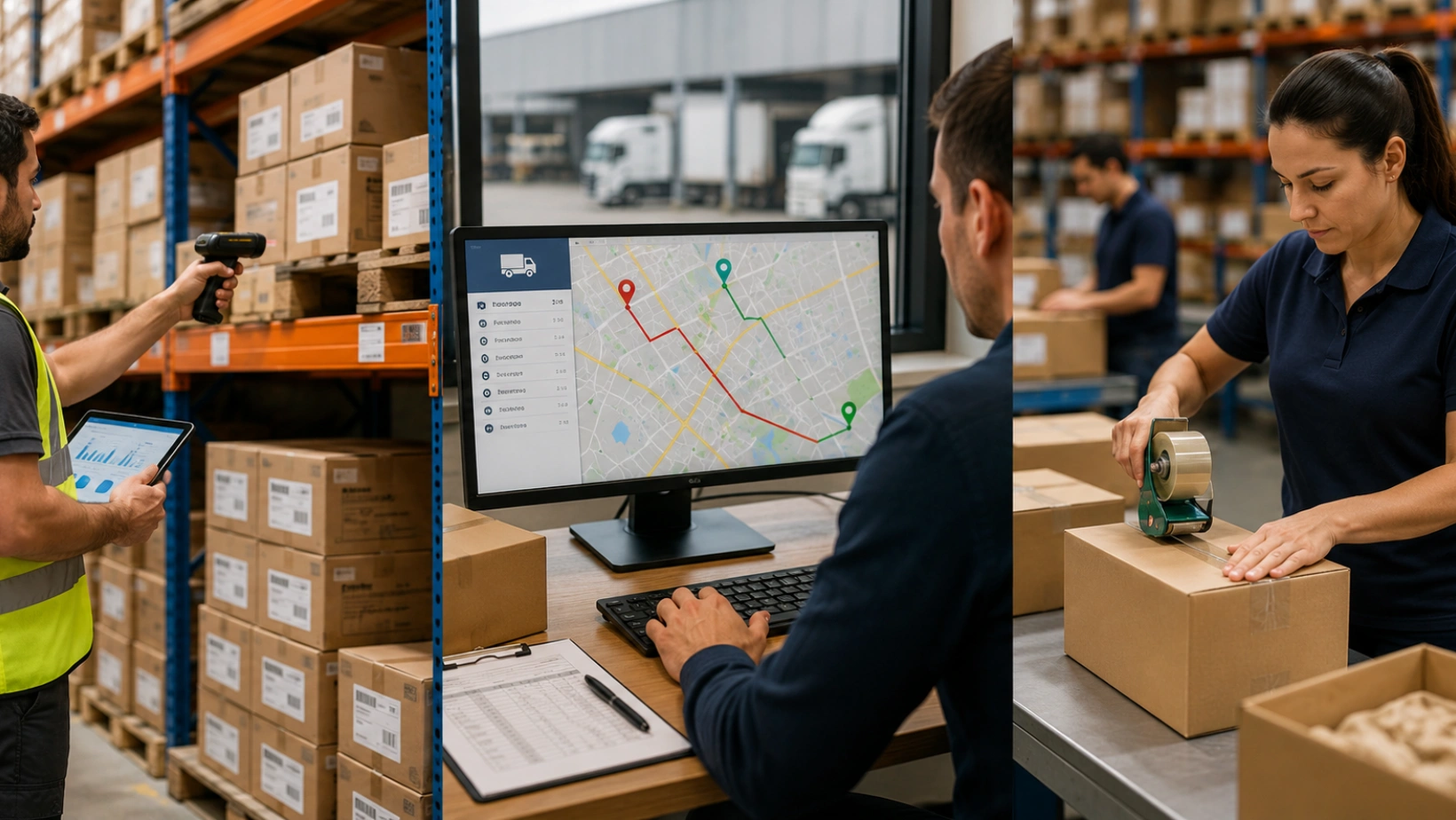
Several activities work together to create an efficient logistics operation.
Inventory Management
Inventory management helps businesses monitor stock levels, avoid shortages, and reduce excess inventory. Accurate stock control improves operational efficiency.
Route Planning
Planning the most efficient delivery routes reduces travel time, fuel consumption, and delivery delays while improving customer satisfaction.
Order Fulfilment
Order fulfilment includes picking, packing, and preparing products before dispatch. Accuracy at this stage helps prevent incorrect deliveries.
Delivery Tracking
Modern tracking systems allow businesses and customers to monitor shipments in real time, providing better visibility throughout the delivery process.
Benefits of Logistics Services
Efficient logistics services offer significant advantages for businesses across every industry.
Faster Deliveries
Well-organised logistics reduces delays and ensures products reach customers within expected delivery times.
Lower Operating Costs
Effective planning improves vehicle utilisation, reduces unnecessary travel, and helps businesses manage transport expenses more efficiently.
Better Customer Satisfaction
Reliable deliveries improve customer confidence and encourage repeat business. Customers value accurate delivery times and clear shipment updates.
Improved Supply Chain Performance
Logistics services connect suppliers, warehouses, and customers efficiently, helping businesses maintain smooth operations and reduce disruptions.
Benefits of Professional Logistics Services
Faster deliveries
Better inventory control
Improved efficiency
Lower operational costs
Higher customer satisfaction
Industries That Rely on Logistics Services
Logistics supports nearly every industry that moves goods regularly.
Retail and eCommerce
Retailers and online stores depend on logistics services to deliver products quickly while managing stock efficiently.
Manufacturing
Manufacturers require reliable logistics to transport raw materials, machinery, and finished products between facilities and customers.
Construction
Construction companies use logistics providers to transport building materials, machinery, and equipment to project sites safely and on schedule.
Healthcare
Hospitals, laboratories, and pharmacies rely on logistics services to transport medicines, medical equipment, and healthcare supplies securely.
Challenges in Logistics Services
Managing logistics efficiently requires overcoming several operational challenges.
Delivery Delays
Traffic congestion, poor weather, and unexpected road closures can affect transport schedules and delivery performance.
Inventory Issues
Poor stock management can lead to shortages, overstocking, or delayed order fulfilment.
Rising Transport Demand
As businesses grow, logistics providers must handle increasing shipment volumes while maintaining service quality and delivery speed.
Supply Chain Disruptions
Unexpected events such as transport disruptions or supplier delays can affect the movement of goods throughout the supply chain.
Common Logistics Challenges
Traffic congestion
Delivery delays
Inventory shortages
Rising customer expectations
Supply chain disruptions
How Technology Improves Logistics Services
Modern technology has transformed the logistics industry by improving efficiency, visibility, and accuracy.
GPS Tracking
GPS technology allows businesses and customers to monitor deliveries in real time and receive accurate location updates.
Warehouse Management Systems
Digital warehouse systems improve stock control, order processing, and inventory accuracy while reducing manual errors.
Route Optimisation Software
Advanced software calculates the fastest and most efficient delivery routes, helping reduce fuel usage and delivery times.
Automated Logistics Solutions
Automation speeds up order processing, inventory management, and shipment scheduling, allowing logistics providers to handle larger workloads more efficiently.
How to Choose the Right Logistics Service Provider
Selecting the right logistics company helps businesses improve delivery performance and customer satisfaction.
Industry Experience
Choose a provider with experience handling products similar to yours. Industry knowledge often leads to more efficient logistics solutions.
Service Coverage
A logistics provider should offer the geographic coverage your business requires, whether local, national, or international.
Technology and Tracking
Look for companies that provide shipment tracking, delivery updates, and modern logistics management systems.
Flexible Logistics Solutions
As your business grows, your logistics provider should be able to adapt to changing shipment volumes and delivery requirements.
What to Look For
Industry experience
Nationwide coverage
Real-time tracking
Reliable customer support
Scalable logistics solutions
Future of Logistics Services
The logistics industry continues to evolve as businesses demand faster, smarter, and more sustainable supply chains.
Smart Logistics Technology
Artificial intelligence, automation, and predictive planning are helping logistics companies improve efficiency and reduce delivery times.
Sustainable Logistics
Many logistics providers are investing in electric vehicles, fuel-efficient fleets, and environmentally friendly packaging to reduce environmental impact.
Greater Supply Chain Visibility
Real-time tracking and advanced data systems allow businesses to monitor every stage of the logistics process, improving planning and decision-making.
Conclusions
Logistics services are essential for managing the movement, storage, and delivery of goods efficiently. From transport and warehousing to inventory management and final delivery, logistics keeps businesses operating smoothly while meeting customer expectations. By understanding how logistics services work and choosing the right logistics provider, businesses can improve efficiency, reduce costs, and build a stronger, more reliable supply chain.


