

Heavy haulage plays an essential role in moving oversized machinery, industrial equipment, construction materials, and abnormal loads across the UK. Unlike standard freight, heavy haulage involves transporting loads that exceed normal size or weight limits, making every journey more complex. From route planning and legal compliance to weather conditions and site access, heavy haulage companies face several challenges that require careful preparation and specialist expertise.
Understanding these challenges helps businesses plan their transport projects more effectively and choose the right heavy haulage company for the job.
Why Heavy Haulage Is More Challenging Than Standard Transport
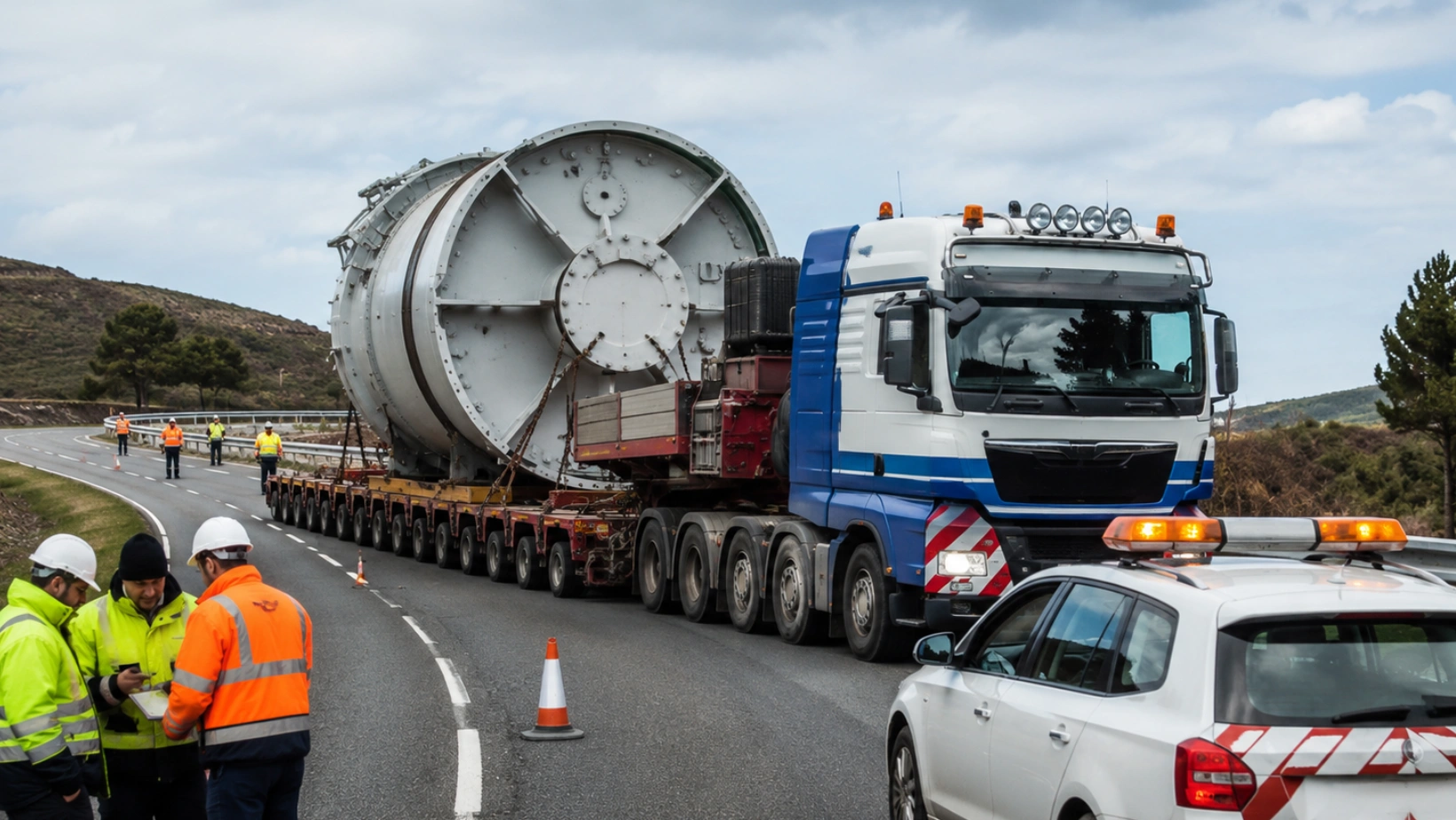
Heavy haulage is not simply about moving larger loads. Every project requires additional planning, specialist equipment, and strict safety procedures to ensure safe and legal transportation.
Oversized and Heavy Loads
Large machinery and abnormal loads place greater demands on vehicles, drivers, and transport planning. Their size and weight can create challenges that standard freight services do not encounter.
More Planning Is Required
Heavy haulage projects often begin days or even weeks before the transport takes place. Route surveys, vehicle selection, permits, and scheduling all need careful coordination.
Higher Safety Requirements
Because oversized loads present greater risks on public roads, heavy haulage companies follow strict safety procedures throughout collection, transportation, and delivery.
Route Planning Challenges
One of the biggest challenges in heavy haulage transport is finding a safe and practical route.
Low Bridges and Height Restrictions
Many roads include bridges, overhead cables, and tunnels with height limits. Heavy haulage companies must identify these restrictions before transport begins to prevent delays and safety risks.
Narrow Roads
Large vehicles carrying oversized loads may struggle to travel through narrow streets, country lanes, or built-up urban areas. Alternative routes are often required.
Weight Restrictions
Some roads and bridges have weight limits that heavy haulage vehicles cannot exceed. Careful planning ensures the chosen route can safely support the load.
Route Planning Often Includes
- Bridge clearance checks
- Road width assessments
- Weight restriction reviews
- Alternative route planning
- Site access inspections
Legal and Regulatory Requirements
Heavy haulage companies must comply with various transport regulations before moving oversized loads.
Permits and Notifications
Certain abnormal loads require advance notification or permits before travelling on UK roads. Failure to comply with these requirements can result in delays or legal issues.
Road Transport Regulations
Heavy haulage operators must follow regulations covering vehicle dimensions, weight limits, driver hours, and load security.
Compliance Documentation
Accurate documentation ensures transport projects meet legal requirements and helps avoid unnecessary complications during transit.
Vehicle and Equipment Challenges
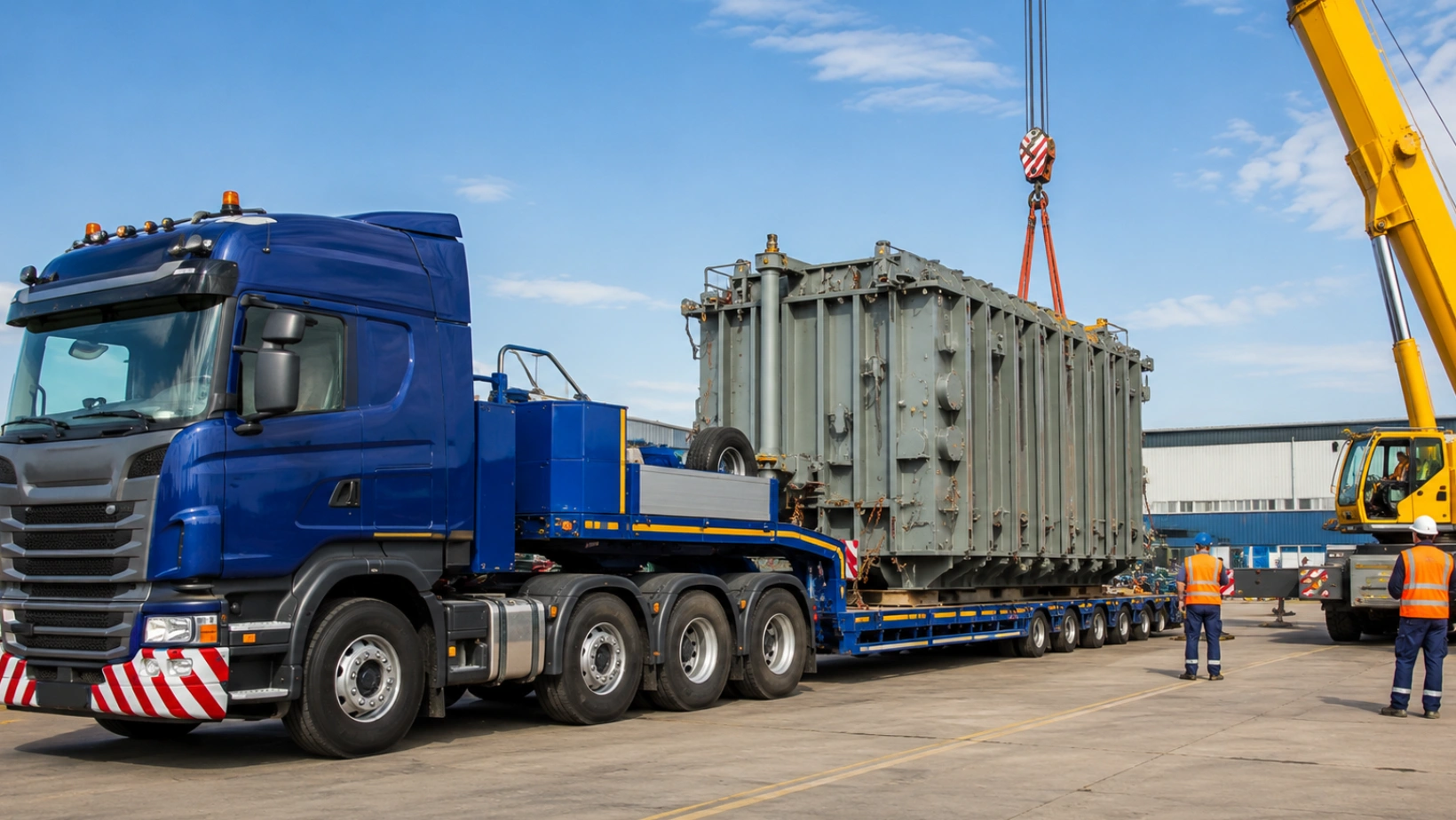
Transporting heavy loads requires specialist vehicles designed for oversized shipments.
Choosing the Right Trailer
Different loads require different transport solutions. Selecting the wrong trailer can affect safety, stability, and loading efficiency.
Equipment Maintenance
Heavy haulage vehicles operate under significant stress. Regular inspections and maintenance help reduce breakdowns and improve reliability.
Loading Equipment
Some loads require cranes, forklifts, or lifting machinery for safe loading and unloading. Proper equipment must be available at both collection and delivery sites.
Common Heavy Haulage Equipment
- Low loader trailers
- Extendable trailers
- Flatbed trailers
- Heavy-duty tractor units
- Lifting equipment
Load Securing Challenges
Keeping oversized loads secure throughout the journey is one of the most important parts of heavy haulage transport.
Preventing Load Movement
Large machinery can shift during transport if not secured correctly. Proper restraint systems reduce movement and improve stability.
Protecting Valuable Equipment
Heavy equipment often represents a significant financial investment. Protective measures help prevent scratches, dents, and structural damage.
Selecting Suitable Restraints
Different loads require different securing methods depending on their size, weight, and shape.
Common Load Securing Methods
- Heavy-duty chains
- Ratchet straps
- Load binders
- Steel supports
- Protective padding
Traffic and Road Conditions
Heavy haulage vehicles must share the road with other traffic while transporting oversized loads safely.
Traffic Congestion
Busy roads can increase delivery times and make manoeuvring large vehicles more difficult, particularly in cities.
Road Closures
Unexpected roadworks or accidents may require last-minute route changes. Professional planning helps minimise disruption.
Limited Turning Space
Large vehicles need additional room when turning or entering industrial sites. Restricted access can slow the delivery process.
Weather Challenges
Weather conditions can have a significant impact on heavy haulage operations.
Strong Winds
High winds can affect the stability of tall or wide loads, making transport more challenging.
Heavy Rain
Wet roads reduce tyre grip and can make loading or unloading equipment more difficult.
Poor Visibility
Fog, snow, and heavy rain reduce visibility, requiring drivers to take additional safety precautions throughout the journey.
Site Access Challenges
Collection and delivery locations are not always designed for heavy haulage vehicles.
Limited Access
Some industrial sites have narrow entrances, tight corners, or restricted working areas that make vehicle access difficult.
Uneven Ground
Soft ground, steep slopes, or uneven surfaces can create loading and unloading challenges for heavy equipment.
Space for Loading and Unloading
Large transport vehicles require enough space to position trailers safely and operate lifting equipment where necessary.
Scheduling and Time Management
Heavy haulage projects often involve strict schedules and multiple parties.
Coordinating Multiple Teams
Successful transport may require cooperation between site managers, crane operators, escort vehicles, and logistics planners.
Meeting Project Deadlines
Construction and engineering projects often depend on equipment arriving on time. Delays can affect the entire project schedule.
Managing Unexpected Delays
Traffic, weather, and road restrictions can all impact delivery times. Experienced heavy haulage companies prepare contingency plans to reduce disruption.
Good Planning Helps
- Reduce delays
- Improve communication
- Keep projects on schedule
- Minimise transport risks
- Improve delivery efficiency
Safety Challenges in Heavy Haulage
Safety remains one of the highest priorities throughout every heavy haulage project.
Protecting Road Users
Oversized vehicles require careful driving and increased awareness to ensure the safety of other motorists.
Driver Experience
Heavy haulage drivers need specialist training to manage large vehicles, complex routes, and abnormal loads safely.
Risk Assessments
Every transport project should include a detailed risk assessment to identify potential hazards before the journey begins.
How Professional Heavy Haulage Companies Overcome These Challenges
Experienced heavy haulage companies use specialist knowledge, planning, and equipment to manage complex transport projects.
Detailed Route Planning
Professional route surveys help identify potential issues before transport begins, reducing delays and improving safety.
Specialist Fleet
Purpose-built vehicles and trailers allow oversized and heavy loads to be transported securely and efficiently.
Experienced Logistics Teams
Planning teams coordinate permits, schedules, communication, and route management to keep every project running smoothly.
Benefits of Working With Specialists
- Improved safety
- Better route planning
- Legal compliance
- Reliable transport
- Professional project management
Conclusion
Heavy haulage transport involves far more than simply moving oversized loads from one location to another. Route restrictions, legal requirements, specialist equipment, weather conditions, site access, and safety procedures all present unique challenges that require careful planning and expert handling. By working with an experienced heavy haulage company, businesses can overcome these challenges, reduce transport risks, and ensure heavy machinery, industrial equipment, and abnormal loads are delivered safely, efficiently, and on schedule across the UK.


