

Sending a parcel by courier is quick and convenient, but not every item can be transported. Courier companies have rules about restricted and prohibited goods to protect drivers, customers, and the public. Some items are banned because they are dangerous, while others require special handling, packaging, or licences. Understanding what cannot be sent by courier helps avoid delays, rejected shipments, and additional charges.
Why Do Courier Companies Restrict Certain Items?
Courier companies must follow UK transport regulations and safety standards. Restricting certain items helps reduce risks during collection, transportation, and delivery.
Safety During Transportation
Some goods can leak, ignite, explode, or become damaged while in transit. Restricting these items helps protect other parcels, courier staff, and transport vehicles.
Legal and Regulatory Requirements
UK laws control the transportation of many products, especially dangerous goods. Courier companies must comply with these regulations to operate safely and legally.
Protecting Other Shipments
A damaged or leaking parcel can affect other deliveries inside the vehicle. Restrictions help ensure every shipment arrives in good condition.
What Is the Difference Between Restricted and Prohibited Items?
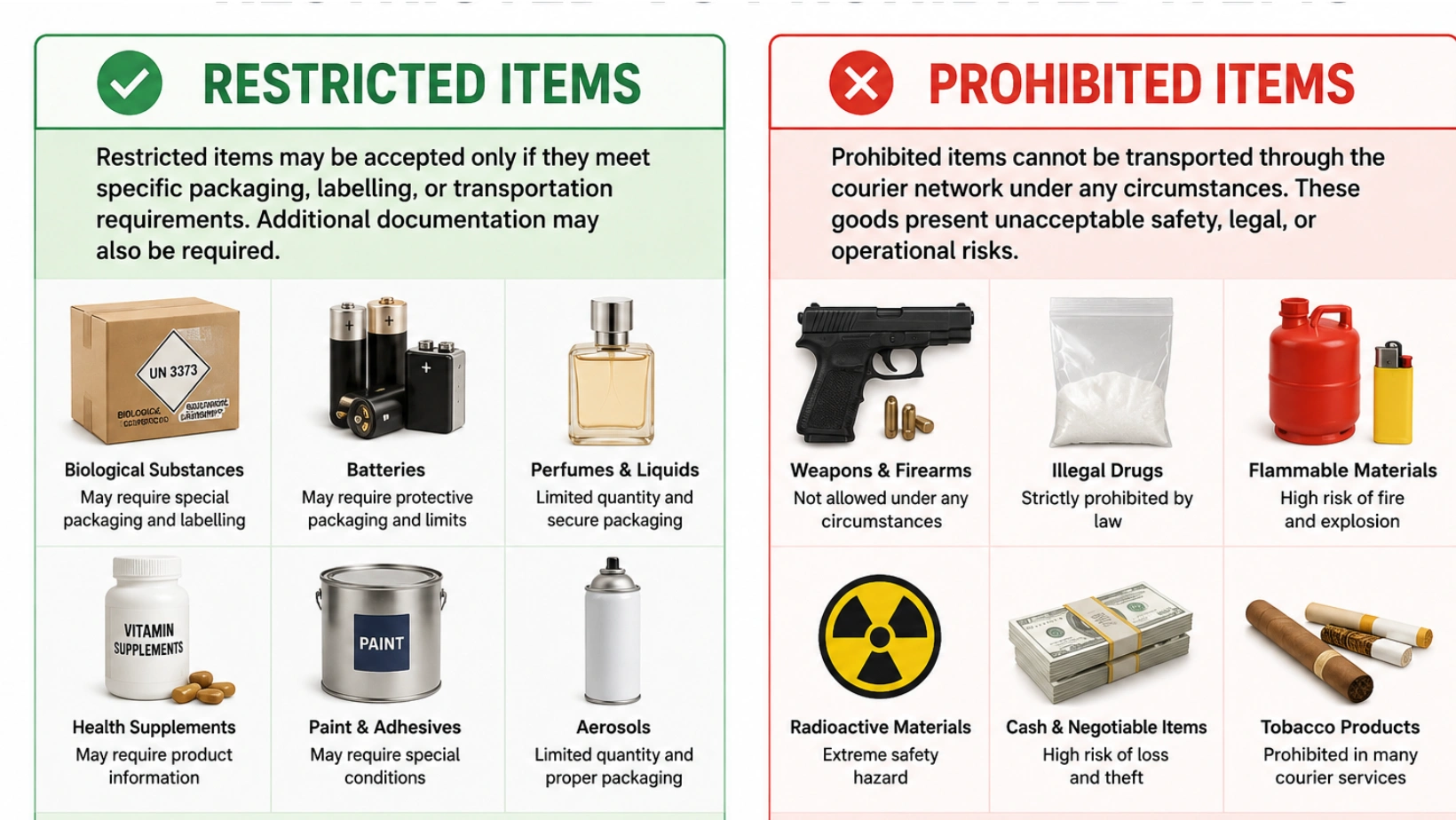
Many people assume all restricted goods are completely banned, but that is not always the case.
Restricted Items
Restricted items may be accepted only if they meet specific packaging, labelling, or transportation requirements. Some couriers may also require additional documentation before collection.
Prohibited Items
Prohibited items cannot be transported through the courier network under any circumstances. These goods present unacceptable safety, legal, or operational risks.
Dangerous Goods That Cannot Normally Be Sent
Dangerous goods require specialist transport and are not accepted by most standard courier services.
Explosive Materials
Explosive substances present serious safety risks during transportation and are prohibited from standard courier networks.
Examples Include
- Fireworks
- Explosives
- Ammunition
- Detonators
Flammable Materials
Items that can easily catch fire are usually restricted or prohibited because they increase the risk of accidents during transport.
Common Examples
- Petrol
- Diesel
- Paint thinners
- Lighter refills
Corrosive Chemicals
Corrosive substances can damage vehicles, packaging, and other parcels if they leak during transit.
Examples Include
- Strong acids
- Industrial cleaning chemicals
- Corrosive liquids
- Chemical solvents
Hazardous Materials That Require Special Transport
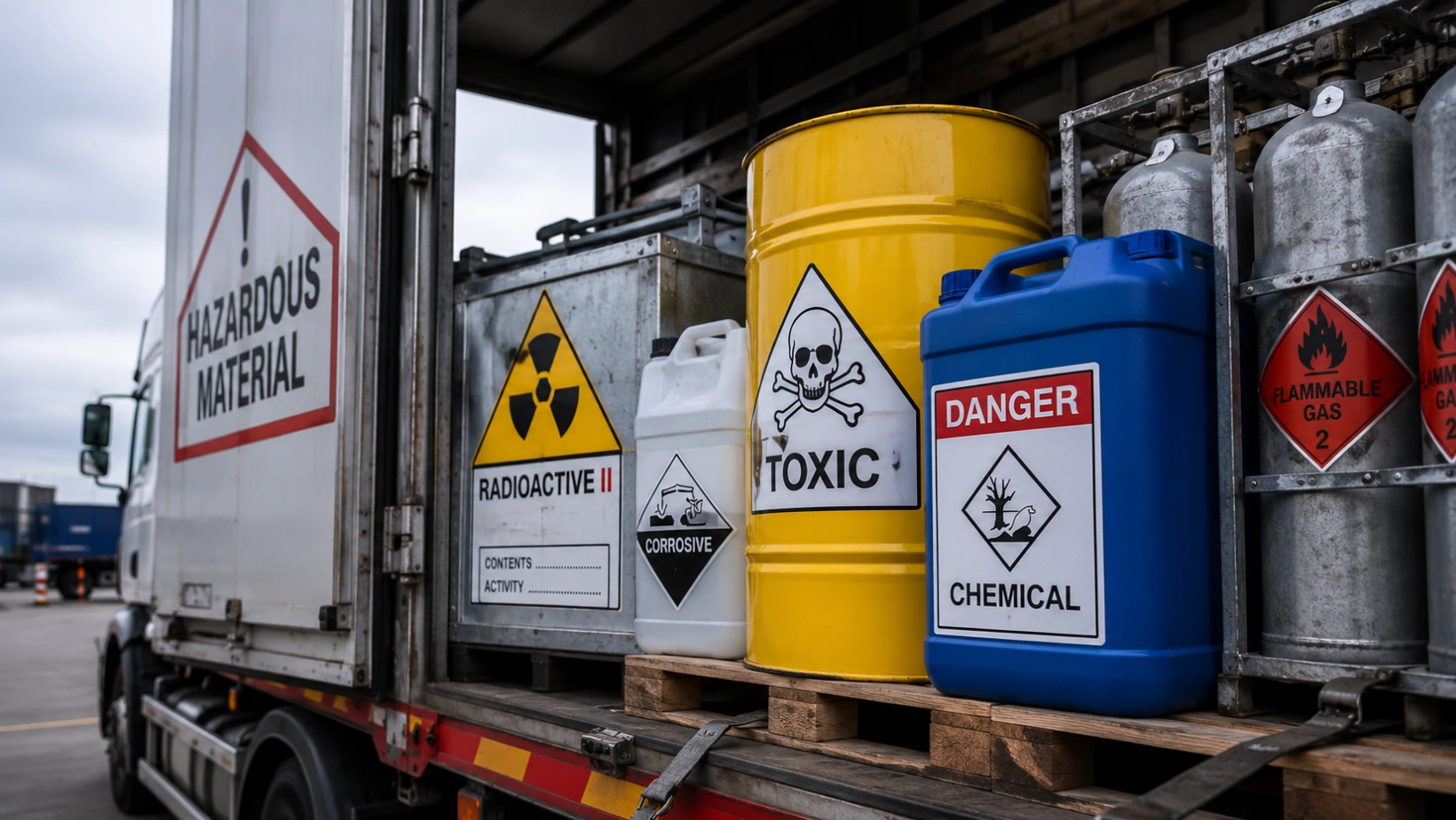
Certain hazardous materials require specialist carriers rather than standard courier services.
Toxic Substances
Chemicals that may harm people or the environment are usually prohibited or heavily regulated during transportation.
Compressed Gases
Gas cylinders and pressurised containers can become dangerous if damaged during delivery.
Radioactive Materials
Radioactive products require specialist transport companies that follow strict legal and safety regulations.
Valuable Items That May Have Restrictions
Some valuable items can be transported, but many courier companies apply strict conditions or compensation limits.
Jewellery and Precious Metals
High-value jewellery, gold, silver, and precious metals may not be covered under standard courier services unless special arrangements are made.
Cash and Bank Cards
Most courier companies do not allow cash, coins, or financial instruments because of the high risk of theft or loss.
Important Documents
While many couriers deliver documents, certain legal or highly valuable paperwork may require specialist secure delivery services.
Perishable Goods
Fresh products can spoil during transport if not handled correctly.
Fresh Food
Perishable food items may not be accepted unless the courier offers temperature-controlled transportation.
Frozen Products
Frozen goods require specialist cold chain logistics to maintain safe temperatures throughout delivery.
Plants and Flowers
Some live plants and flowers have transport restrictions depending on their condition, destination, and packaging.
Fragile Items With Delivery Restrictions
Fragile items are not always prohibited, but they often require additional packaging and may have limited compensation cover.
Glass Products
Glass can easily crack or shatter if packaged incorrectly or subjected to impact during transport.
Ceramics and Porcelain
These items require strong protective packaging and careful handling to reduce the risk of damage.
Artwork and Antiques
Valuable artwork and antiques often require specialist courier services because of their fragility and value.
Batteries and Electrical Items
Some electronic products contain batteries that are subject to transport regulations.
Lithium Batteries
Lithium batteries can present fire risks if damaged. Many couriers have specific rules regarding their packaging and transportation.
Damaged Electronic Devices
Electronic devices with damaged batteries or visible defects may not be accepted because they present additional safety risks.
Live Animals and Biological Materials
Standard courier services are generally not designed to transport living organisms or sensitive biological materials.
Live Animals
Most courier companies do not transport live animals because they require specialist care during transit.
Biological Samples
Medical samples often require specialist medical courier services with controlled handling procedures.
How to Check If an Item Can Be Sent
If you are unsure whether an item is accepted, always check before booking a courier.
Read the Courier’s Prohibited Items List
Every courier company publishes a list of restricted and prohibited goods. Reviewing this information helps avoid rejected collections.
Contact the Courier Company
If your item falls into a restricted category, the courier can advise whether special arrangements are available.
Declare Your Goods Accurately
Always provide an accurate description of the item being shipped. Incorrect declarations can lead to delays, rejected deliveries, or insurance issues.
Before Booking a Courier
- Check item restrictions
- Confirm packaging requirements
- Declare the contents accurately
- Ask about insurance options
- Review delivery conditions
What Happens If You Send a Prohibited Item?
Sending prohibited goods can create several problems for both the sender and the courier company.
Shipment Rejection
The courier may refuse collection or stop the shipment if prohibited goods are identified.
Delivery Delays
Restricted items that are incorrectly declared may require additional inspections before transport.
Loss of Compensation
If prohibited goods are shipped against the courier’s terms, compensation may not be available if the parcel is lost or damaged.
Legal Consequences
Some prohibited items are restricted by law. Attempting to transport them without proper approval may result in legal action or financial penalties.
Tips for Sending Parcels Safely
Following a few simple steps can help ensure your shipment complies with courier requirements.
Package Items Properly
Strong packaging helps protect your goods and reduces the risk of damage during transport.
Use the Correct Labels
Where required, apply any handling or warning labels recommended by the courier.
Choose the Right Courier Service
Some items require specialist courier services rather than standard parcel delivery. Selecting the correct service improves safety and reduces delays.
Best Practices
- Use quality packaging materials
- Secure loose contents
- Check courier restrictions
- Label parcels correctly
- Book the appropriate delivery service
Conclusion
Not every item can be sent through a standard courier service in the UK. Dangerous goods, hazardous chemicals, live animals, cash, certain batteries, and other restricted items are often prohibited or require specialist transportation. Before booking a delivery, always check the courier’s restricted goods policy, package your items correctly, and declare the contents accurately. Understanding these rules helps prevent delays, protects your shipment, and ensures your parcel complies with UK courier regulations.


