Choosing between a 7.5-tonne truck and an 18-tonne truck depends on the weight, dimensions and volume of your goods, as well as the delivery location and loading requirements. Although both vehicles are used for commercial transport, they serve different purposes.
A 7.5-tonne truck is generally suitable for medium-sized loads, smaller pallet consignments and deliveries where a larger vehicle may be unnecessary. An 18-tonne truck offers greater payload capacity and load space, making it more suitable for larger commercial shipments and heavier goods.
The important difference is not simply the vehicle’s gross weight. You also need to consider its usable payload, pallet capacity, internal load dimensions and whether it can access the collection and delivery locations.
This guide compares both vehicles to help businesses choose the right truck for their transport requirements.
What Is the Difference Between a 7.5-Tonne and an 18-Tonne Truck?
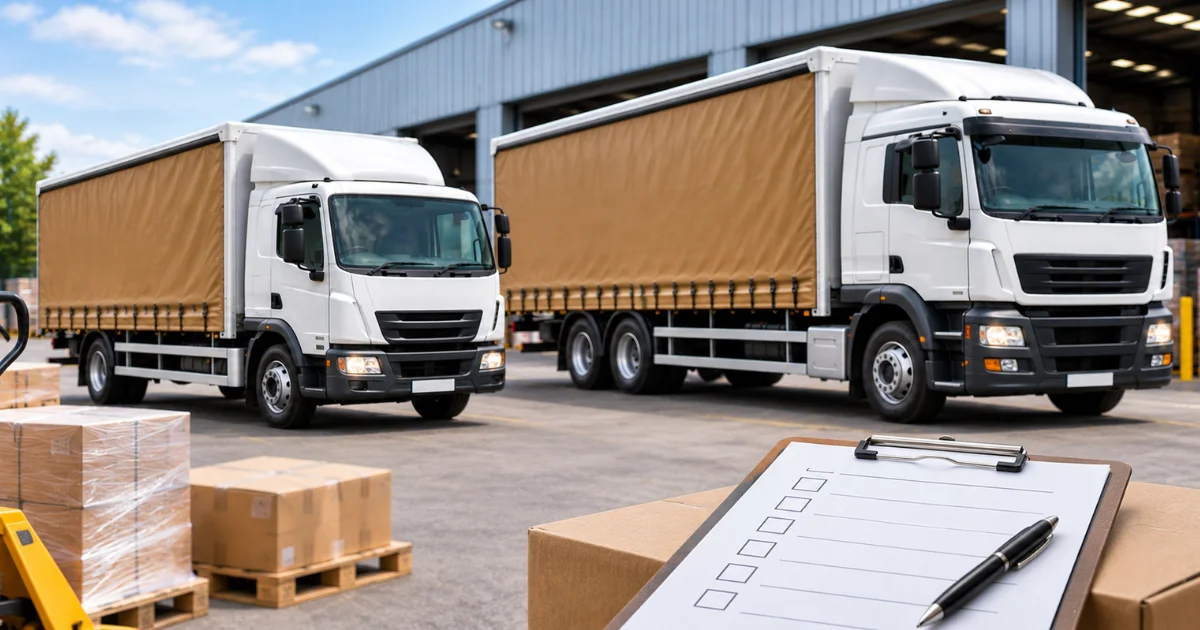
The main difference is their gross vehicle weight category and the amount of cargo they can typically carry.
A 7.5-tonne truck has a maximum gross vehicle weight of 7,500kg, including the vehicle, driver, fuel, equipment and cargo. An 18-tonne truck has a maximum gross vehicle weight of 18,000kg.
This does not mean a 7.5-tonne truck can carry 7,500kg of goods or an 18-tonne truck can carry 18,000kg of goods. The payload is the weight available for the load after accounting for the vehicle’s own weight and other applicable allowances.
For SirdarJi Couriers, the approximate fleet specifications are:
| Specification | 7.5-Tonne Truck | 18-Tonne Truck |
| Gross vehicle weight category | 7,500kg | 18,000kg |
| Maximum payload (approx.) | 2,500kg | 8,000kg |
| Pallet capacity | Up to 10 UK pallets | Up to 14 UK pallets |
| Load volume | Approximately 25m³ | Approximately 38m³ |
| Tail lift | Available | Available |
| Typical use | Medium commercial loads | Larger and heavier commercial loads |
These figures describe the stated SirdarJi fleet specifications. Actual payload and usable capacity vary by vehicle configuration, body type, equipment and load distribution. Always confirm the available capacity for the specific vehicle before booking.
How Much More Weight Can an 18-Tonne Truck Carry?
Based on the approximate SirdarJi fleet specifications, an 18-tonne truck has a payload of up to 8,000kg, compared with up to 2,500kg for a 7.5-tonne truck.
That represents an approximate payload difference of 5,500kg.
For businesses transporting heavy stock, machinery, construction materials or multiple pallets, this additional capacity can make a significant difference.
However, a heavier vehicle is not automatically the right choice. If your shipment weighs 1,500kg and fits comfortably within a 7.5-tonne truck’s available load space, booking an 18-tonne vehicle may provide more capacity than you need.
The correct decision depends on the complete shipment rather than its weight alone.
How Many Pallets Can Each Truck Carry?
Pallet capacity is another important difference when choosing between these vehicles.
According to SirdarJi’s fleet specifications:
- A 7.5-tonne truck can carry up to 10 standard UK pallets.
- An 18-tonne truck can carry up to 14 standard UK pallets.
This makes the 18-tonne truck suitable for larger pallet consignments where a smaller vehicle may not provide enough floor space or payload capacity.
However, pallet capacity is not determined by the number of pallets alone. Their dimensions, total weight, stacking restrictions and loading arrangement all matter.
For example, ten heavy pallets may exceed the payload available on a particular 7.5-tonne truck even though they fit within its stated pallet capacity. Similarly, unusually sized pallets may reduce the number that can be loaded into an 18-tonne vehicle.
Always provide both pallet dimensions and total weight when arranging transport.
7.5-Tonne vs 18-Tonne Truck: What Is the Difference in Load Space?
The amount of available load space determines how much cargo can fit inside the vehicle.
The approximate load volumes for the two SirdarJi vehicles are:
- 7.5-tonne truck: Approximately 25 cubic metres.
- 18-tonne truck: Approximately 38 cubic metres.
The 18-tonne truck offers approximately 13m³ more load volume.
This additional space is useful when transporting larger consignments, bulky commercial goods or multiple pallets. However, the usable volume depends on the internal body dimensions and the shape of the goods.
A shipment may reach the vehicle’s weight limit before filling its available space. Alternatively, bulky but lightweight items may occupy the entire load area while remaining well below the maximum payload.
This is why both measurements need to be considered when selecting a vehicle.
When Should You Choose a 7.5-Tonne Truck?
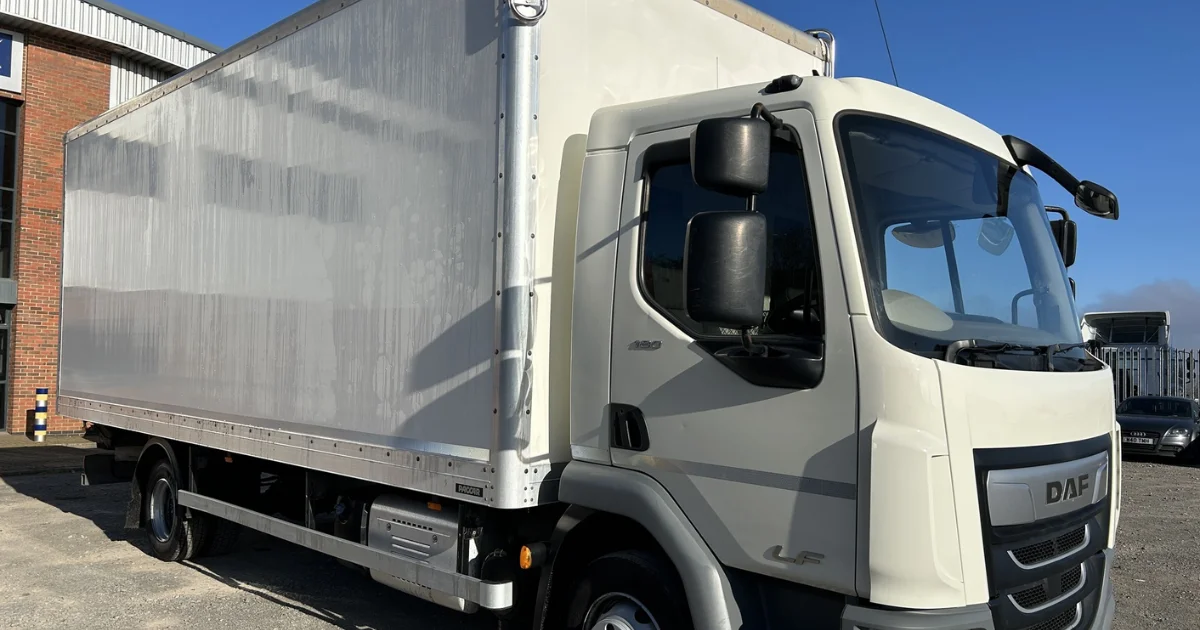
A 7.5-tonne truck is a practical option for medium-sized commercial deliveries that require more space or payload than a typical van can provide.
It may be suitable for:
1. Medium-Sized Pallet Deliveries
Businesses moving several pallets of stock between warehouses, distribution centres and commercial premises may find a 7.5-tonne vehicle suitable, provided the combined load fits within its capacity.
2. Construction Materials
Certain building materials, tools and equipment can be transported using a 7.5-tonne truck when their weight and dimensions fall within the vehicle’s limits.
3. Retail and Wholesale Stock
Retailers and wholesalers may use these vehicles to move stock between storage facilities, shops and business premises.
4. Commercial Equipment
Businesses transporting machinery parts, office equipment and other commercial items may benefit from the additional space compared with smaller vans.
5. Deliveries with More Restricted Access
A 7.5-tonne vehicle may be easier to accommodate at some delivery locations than a larger rigid truck. However, actual access depends on vehicle dimensions, road restrictions, turning space, loading facilities and site conditions.
Choose a 7.5-tonne truck when: Your shipment fits within its payload and load-space limits, and a larger vehicle is not required.
When Should You Choose an 18-Tonne Truck?
An 18-tonne truck is generally more appropriate when a consignment exceeds the practical capacity of a smaller vehicle.
Its greater payload and load volume make it suitable for a wider range of substantial commercial transport requirements.
1. Larger Pallet Consignments
Businesses transporting up to 14 standard UK pallets may consider an 18-tonne truck, subject to the actual pallet dimensions, weight and loading arrangement.
2. Heavy Construction Materials
Some construction materials are particularly heavy. An 18-tonne vehicle may be more suitable when the total load exceeds the payload available on a 7.5-tonne truck.
3. Industrial Equipment
Manufacturing businesses may need to move larger machinery components, production equipment and other substantial items between commercial locations.
4. Warehouse and Distribution Transport
An 18-tonne truck can support larger stock movements between warehouses, distribution centres and business premises.
5. Larger Commercial Loads
Businesses with substantial consignments may benefit from the additional payload and load space, reducing the need to divide a suitable shipment between smaller vehicles.
Choose an 18-tonne truck when: Your shipment requires more payload or usable space than a 7.5-tonne vehicle can provide, and the collection and delivery locations can accommodate it.
Is a 7.5-Tonne Truck Cheaper Than an 18-Tonne Truck?
A 7.5-tonne truck may cost less to operate than an 18-tonne vehicle in some circumstances, but the actual transport quotation depends on the complete job.
Factors that influence the price include:
- Journey distance: Longer journeys generally require more driving time and fuel.
- Vehicle availability: The availability of a suitable vehicle can affect scheduling and the quotation.
- Load requirements: Heavy, bulky or unusually shaped goods may require additional arrangements.
- Collection and delivery access: Restricted locations and complicated unloading arrangements can affect the job.
- Delivery urgency: Same-day and dedicated transport requirements may differ from scheduled deliveries.
- Loading equipment: Tail lifts and other handling requirements may influence the service arrangement.
It is also important to consider whether the smaller vehicle can carry the complete shipment. If a 7.5-tonne truck requires multiple journeys to move a load that an 18-tonne truck can carry in one suitable trip, the larger vehicle may be more practical overall.
For an accurate comparison, request quotations for the same collection address, delivery address, load details and delivery schedule.
Can a 7.5-Tonne Truck Replace an 18-Tonne Truck?
Not in every situation. A 7.5-tonne truck cannot replace an 18-tonne truck when the consignment exceeds its legal payload, available space or loading capacity.
For example, consider a business transporting 7,000kg of goods.
- A 7.5-tonne truck with an approximate 2,500kg payload cannot legally carry the entire load in one journey.
- An 18-tonne truck with an approximate 8,000kg payload may be suitable, provided the load also fits within its available space and other vehicle limits.
However, if the goods weigh 2,000kg and fit within the 7.5-tonne vehicle’s dimensions and loading limits, the smaller truck may be sufficient.
The correct vehicle should be selected according to the actual shipment rather than choosing the largest available option.
7.5-Tonne vs 18-Tonne Truck: What Should You Check Before Booking?
Before arranging a 7.5-tonne or 18-tonne truck, prepare the details needed to assess the shipment.
Total weight: Confirm the combined weight of all goods, including pallets and packaging where applicable.
Load dimensions: Measure the length, width and height of the items. This helps establish whether they will fit within the vehicle’s usable load space.
Number and type of pallets: Confirm whether you are using standard UK pallets, Euro pallets or non-standard pallet sizes.
Loading arrangements: Establish whether the collection and delivery sites have forklifts, loading bays or other suitable equipment.
Tail lift requirements: Tell the transport provider if a tail lift is needed at either end of the journey.
Access restrictions: Check whether the vehicle can safely access the collection and delivery locations.
Delivery deadline: Specify whether you need same-day, next-day, overnight or a planned delivery.
Providing this information helps the transport company assess the appropriate vehicle and identify any potential issues before collection.
Frequently Asked Questions
What is the main difference between a 7.5-tonne and an 18-tonne truck?
The main difference is their gross vehicle weight category and available payload. Based on SirdarJi’s approximate fleet specifications, the 7.5-tonne truck has a payload of up to 2,500kg, while the 18-tonne truck has a payload of up to 8,000kg.
How many pallets fit in a 7.5-tonne truck?
SirdarJi’s 7.5-tonne truck can carry up to 10 standard UK pallets. The actual number depends on pallet dimensions, load weight and loading arrangements.
How many pallets fit in an 18-tonne truck?
SirdarJi’s 18-tonne truck can carry up to 14 standard UK pallets. Unusual pallet dimensions or heavier loads may reduce the usable capacity.
Is an 18-tonne truck suitable for heavy deliveries?
It can be suitable for substantial commercial loads, including heavier pallet consignments, construction materials and industrial goods. The shipment must remain within the vehicle’s legal payload, dimensions and loading limits.
Does a 7.5-tonne truck require a special driving licence in the UK?
A standard Category C1 licence generally covers rigid vehicles with a maximum authorised mass between 3.5 and 7.5 tonnes. An 18-tonne rigid truck generally requires a Category C licence. Entitlements can depend on when a licence was obtained and individual licence conditions, so drivers should check their DVLA record.
Does an 18-tonne truck always cost more to hire?
Not necessarily in every transport situation. A larger vehicle may have higher operating costs, but the quotation depends on distance, availability, load requirements and delivery arrangements. It may also be more practical than making multiple journeys with a smaller vehicle.
Should I choose a 7.5-tonne or 18-tonne truck for pallet delivery?
Choose according to the total weight and dimensions of the pallets. A 7.5-tonne truck may suit smaller consignments of up to 10 standard UK pallets, while an 18-tonne truck offers capacity for up to 14. Always confirm the actual load limits before booking.
Final Words
The choice between a 7.5-tonne and an 18-tonne truck comes down to the size, weight and transport requirements of your shipment.What Is the Difference Between a 7.5-Tonne and an 18-Tonne Truck
A 7.5-tonne vehicle can be a suitable option for medium-sized commercial loads, while an 18-tonne truck offers greater payload and load space for larger consignments.
Before booking, compare the actual payload, pallet capacity, load dimensions and delivery access requirements. Selecting the right vehicle helps ensure that your goods can be transported safely and efficiently without paying for capacity you do not need.