The cost of transporting goods in the UK depends on several factors, including the distance travelled, size and weight of the load, vehicle required, delivery urgency and collection or unloading arrangements. A small van carrying a single item will generally have different transport costs from an 18-tonne truck moving multiple pallets across the country.
There is no single price that applies to every transport job. A courier or haulage company needs to understand what is being moved, where it is going and when it needs to arrive before providing an accurate quotation.
Whether you are a business arranging regular stock deliveries, a retailer moving products between locations or an individual transporting large items, understanding these cost factors can help you choose the right service and avoid unnecessary expenses.
What Factors Affect the Cost of Transporting Goods?
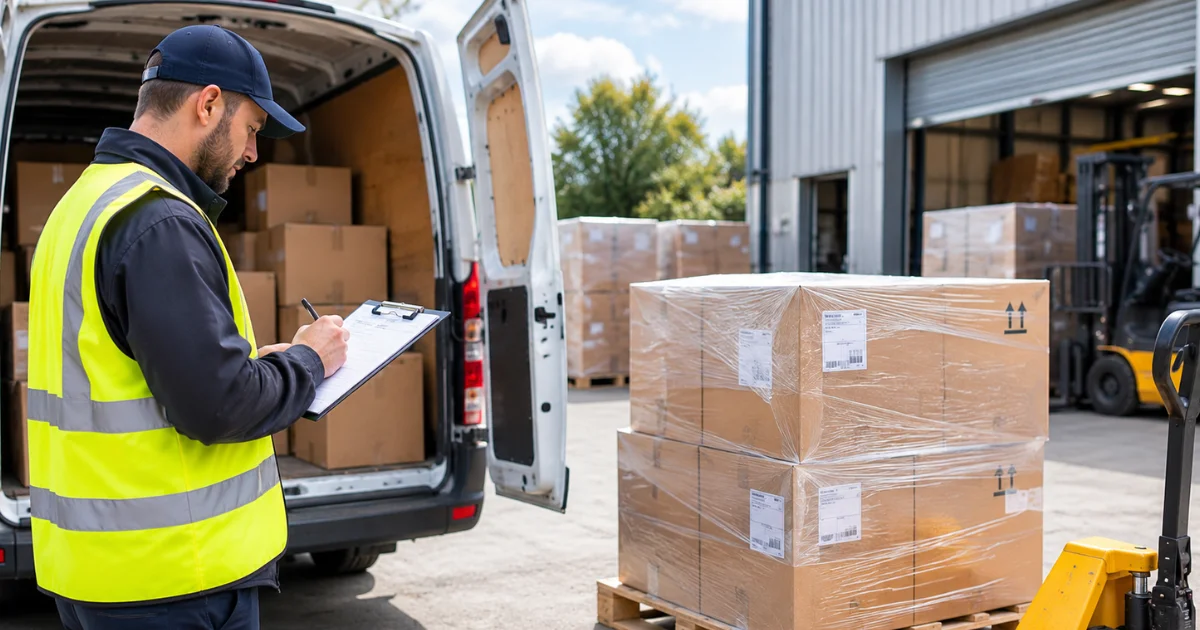
Transport companies consider the practical requirements of each job when calculating a price. The following factors can influence the final quotation.
1. How Far Do the Goods Need to Travel?
Distance is one of the main considerations when arranging goods transport. A delivery between two nearby towns usually requires less driving time and fuel than a journey across the UK.
However, distance alone does not determine the price. Traffic conditions, road restrictions, collection arrangements and the time required to complete the delivery can also affect the cost.
For example, transporting goods from Birmingham to Coventry involves a different journey from moving the same load from Birmingham to Edinburgh. The vehicle and delivery requirements may be identical, but the longer journey needs more driving time and resources.
2. What Is the Weight and Size of the Load?
The dimensions and weight of a consignment help determine which vehicle is suitable.
A small parcel may fit into a small van, while several pallets of commercial stock could require a larger vehicle. Heavy or bulky goods may also need additional loading equipment or specialist transport arrangements.
Transport companies may assess:
- The total weight of the consignment.
- The length, width and height of individual items.
- The number of pallets or packages.
- Whether the goods can be stacked.
- Whether the load requires special handling.
Providing accurate measurements helps avoid booking a vehicle that is too small or unnecessarily large.
3. Which Delivery Vehicle Do You Need?
The vehicle selected for a job can influence the transport quotation. Larger vehicles have different operating requirements, capacity and running costs from smaller vans.
SirdarJi Couriers offers several vehicle options for different transport requirements.
| Vehicle | Approximate capacity | Typical transport requirements |
| Small Van | 1 standard UK pallet; up to 500kg payload | Small consignments and compact deliveries |
| Sprinter Van | 4 standard UK pallets; up to 1,050kg payload | Larger parcels and multiple-item deliveries |
| Luton Van | 7 EU pallets; up to 1,050kg payload | Bulky goods and suitable pallet loads |
| 7.5-Tonne Truck | 10 standard UK pallets; up to 2,500kg payload | Commercial and larger pallet deliveries |
| 18-Tonne Truck | Up to 14 standard UK pallets; up to 8,000kg payload | Substantial commercial loads |
| 26-Tonne Truck | 15 standard UK pallets; up to 14,000kg payload | Larger freight movements |
| 44-Tonne Arctic | Up to 26 standard UK pallets; up to 27,000kg payload | Large-scale freight and heavy transport |
These are approximate fleet specifications, not guaranteed capacities for every vehicle. Actual usable payload and capacity depend on the vehicle, load dimensions, configuration and legal operating limits. The Luton figure uses EU pallets, while the other pallet figures use standard UK pallets.
Choosing a vehicle based on the actual load is important. A larger vehicle is not automatically the best option if a smaller one can transport the goods safely and efficiently.
4. How Quickly Do You Need the Delivery?
The required delivery time can influence the price because different services involve different transport arrangements.
For example:
- Same-day delivery: Suitable for urgent consignments that need to reach their destination on the day of collection.
- Next-day delivery: Appropriate when the goods can travel on a planned schedule and arrive the following day.
- Dedicated transport: A vehicle is allocated to an individual consignment rather than combining it with unrelated deliveries.
- Overnight transport: Useful when goods need to travel outside normal daytime delivery arrangements.
An urgent dedicated journey may require different resources from a scheduled delivery. The quotation should reflect the actual collection time, delivery deadline and service required.
5. Are Loading and Unloading Included?
The collection and delivery arrangements can also affect the overall cost.
Some locations have loading bays, forklifts and staff available to handle goods. Others may require the driver or transport company to provide additional equipment or assistance.
Before requesting a quotation, establish whether the delivery requires:
- A tail lift for moving goods between ground level and the vehicle.
- A forklift or other mechanical handling equipment.
- Loading or unloading assistance.
- Delivery to a specific floor or internal location.
- Waiting time because goods are not ready or access is delayed.
These details help the transport company assess the job properly and identify any additional requirements before collection.
6. Does the Load Require Special Handling?
Certain goods need more careful transport arrangements than standard commercial freight.
Fragile equipment, valuable items, machinery and unusually shaped goods may require suitable packaging, secure loading or specialist handling.
The transport provider needs to know about any relevant restrictions or requirements before accepting the job. This helps establish whether the available vehicle and delivery arrangements are appropriate.
7. Are There Any Additional Journey or Access Requirements?
Some deliveries involve more than a straightforward collection and drop-off.
Restricted access, difficult unloading locations, timed delivery appointments and waiting requirements can all affect the resources needed to complete a job.
For example, delivering a pallet to a warehouse with a suitable loading bay may be more straightforward than delivering the same pallet to a site with restricted vehicle access and no unloading equipment.
Providing accurate location and access information helps avoid delays and unexpected changes to the original quotation.
How Much Does Different Types of Goods Transport Cost?
The following table explains the main differences between common transport requirements. It is not a price list; actual costs need to be confirmed against the details of each job.
| Transport type | What influences the cost? |
| Small parcel delivery | Parcel dimensions, actual weight, service speed and destination |
| Same-day courier | Distance, collection time, urgency and vehicle availability |
| Dedicated van delivery | Vehicle size, journey distance and whether the vehicle is allocated exclusively |
| Pallet delivery | Number of pallets, pallet dimensions, total weight and unloading arrangements |
| Heavy haulage | Load weight, dimensions, specialist equipment, route and any abnormal-load requirements |
| Multi-drop delivery | Number of delivery addresses, route planning, unloading time and total journey distance |
| Commercial freight | Shipment volume, vehicle requirements, delivery schedule and handling arrangements |
This is why comparing transport quotations requires more than looking at the headline price. You should also check what the service includes and whether it meets your delivery requirements.
How Can You Calculate the Cost of Transporting Goods?
You cannot calculate an accurate transport price using distance alone. However, you can prepare the information a transport company needs to assess your requirements.
A useful starting point is to organise the following details:
Collection and delivery addresses: Provide the full postcodes and confirm whether there are any access restrictions.
Load details: State the number of items, pallets or packages, along with their dimensions and total weight.
Vehicle requirements: Explain whether the goods need a small van, Luton van, rigid truck or articulated vehicle, if you already know.
Delivery schedule: Specify whether you need same-day, next-day, overnight or a scheduled delivery.
Loading and unloading: Confirm whether forklifts, tail lifts, loading assistance or other equipment will be required.
Special requirements: Mention fragile goods, high-value items, machinery or any handling restrictions.
Once these details are available, the transport company can assess the journey, vehicle and service requirements and provide a more relevant quotation.
How Can You Reduce the Cost of Goods Transport?
You do not always need to choose the cheapest transport option to control your delivery budget. The better approach is to match the service to the actual load and avoid unnecessary vehicle or handling requirements.
Consider these practical steps.
Choose the Right Vehicle for Your Load
Avoid booking a larger vehicle than the consignment requires. If your goods fit safely within a smaller vehicle’s capacity, that may be a more suitable option.
However, never select a vehicle based on weight alone. Load dimensions, pallet positions and access requirements also matter.
Provide Accurate Shipment Information
Incorrect dimensions, weights or delivery details can lead to revised quotations and booking problems. Measure the goods before requesting a price and include packaging dimensions where relevant.
Plan Non-Urgent Deliveries in Advance
If the goods do not need immediate delivery, a planned transport arrangement may offer more flexibility than an urgent collection.
Tell the provider your preferred delivery date and any flexibility you have.
Prepare Goods Before Collection
Make sure the goods are packed, labelled and ready when the driver arrives. This can help reduce unnecessary waiting and make the collection process more straightforward.
Confirm Loading and Unloading Arrangements
Check whether the collection and delivery locations have suitable equipment and access. Identifying these requirements in advance helps avoid additional arrangements during the journey.
Compare What Each Quotation Includes
A low headline price may not cover every requirement. Compare vehicle type, service speed, loading arrangements, waiting time and delivery conditions before making a decision.
Which Transport Service Is Best for Your Business?
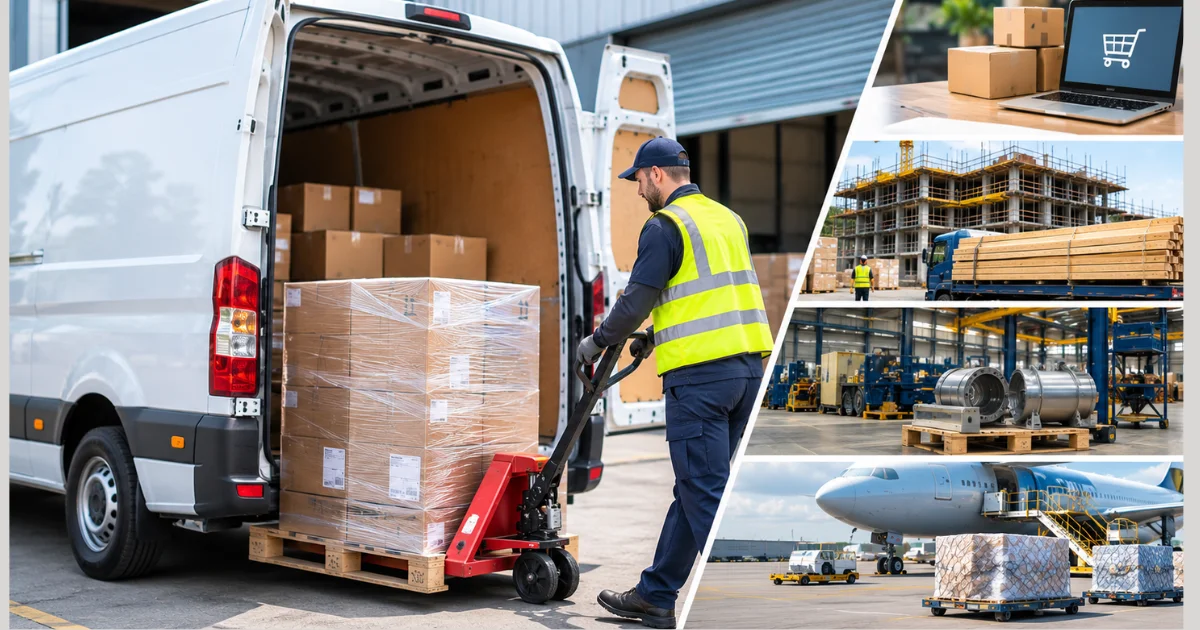
The right transport service depends on the nature of your goods, how frequently you send them and how quickly they need to reach their destination.
Retail and eCommerce businesses may need regular parcel collections, stock transfers and pallet deliveries between warehouses or retail locations.
Construction companies often transport building materials, tools, equipment and machinery. The vehicle must be suitable for the load and the conditions at the collection and delivery sites.
Manufacturers and distributors may require dedicated transport for machinery, components, finished products and larger commercial consignments.
Aviation and specialist suppliers may need time-sensitive transport for components and equipment where collection and delivery schedules are important.
Businesses with multiple delivery locations may benefit from planned multi-drop transport, depending on the number of stops and the delivery schedule.
Choosing a provider that understands your industry and can assess different load requirements makes it easier to arrange suitable transport as your needs change.
How Can SirdarJi Couriers Help with Goods Transport Across the UK?
SirdarJi Couriers provides courier, dedicated transport and logistics services for businesses and individuals across the UK.
The company handles different consignment sizes, from smaller deliveries requiring vans to larger commercial loads requiring rigid trucks or articulated vehicles.
Its transport options include:
- Small vans and Sprinter vans for smaller consignments.
- Luton vans for bulky goods and suitable pallet loads.
- 7.5-tonne, 18-tonne and 26-tonne trucks for larger commercial deliveries.
- 44-tonne articulated vehicles for suitable large-scale freight movements.
SirdarJi offers same-day, next-day and dedicated transport services. Its nationwide courier network, 24/7 vehicle tracking and real-time delivery monitoring support customers who need visibility throughout the transport process.
The company also provides instant proof of delivery, helping businesses maintain a record of completed consignments.
To request a quotation, provide the collection and delivery postcodes, load dimensions, weight, number of pallets and required delivery date. The team can then assess the requirements and discuss a suitable transport arrangement.
Frequently Asked Questions About Goods Transport Costs in the UK
How much does it cost to transport goods across the UK?
There is no fixed nationwide price. The cost depends on the journey distance, shipment dimensions, weight, vehicle type, delivery urgency and handling requirements. A transport company needs these details to provide an accurate quotation.
Is goods transport charged by weight or distance?
Both can influence the quotation, but neither is necessarily the only factor. Transport providers may also consider vehicle capacity, load dimensions, delivery schedule, collection arrangements and unloading requirements.
Is dedicated transport more expensive than shared transport?
Dedicated transport may cost more because a vehicle is allocated to one consignment rather than sharing its capacity with other customers’ goods. However, it can offer greater control over collection and delivery arrangements. The best option depends on urgency, load size and scheduling flexibility.
Does pallet delivery cost more than parcel delivery?
It depends on the shipment. Pallet deliveries generally require different handling and vehicle arrangements from standard parcels. The number of pallets, total weight, dimensions, loading equipment and destination access all influence the quotation.
What information do I need to get a transport quotation?
You should provide the collection and delivery postcodes, total weight, item or pallet dimensions, number of packages, preferred delivery date and any loading or unloading requirements. Photographs can also help explain unusual or bulky loads.
Can I arrange same-day goods transport in the UK?
Same-day transport may be available depending on the collection location, destination, vehicle availability, load requirements and booking time. Contact the transport provider with the details of the shipment to confirm whether the required schedule is achievable.
How do I choose between a van and a truck for goods transport?
Consider the total weight, dimensions, number of pallets and loading arrangements. A van may suit smaller consignments, while larger commercial loads may require a rigid truck or articulated vehicle. The vehicle must have sufficient legal payload and usable space for the complete load.
Final Words
The cost of transporting goods in the UK depends on the complete delivery requirement rather than one simple pricing factor. Distance, weight, dimensions, vehicle choice, urgency and loading arrangements all contribute to the quotation.
Before booking, prepare accurate shipment details and compare services based on what they actually include. This helps you select suitable transport without paying for unnecessary capacity or overlooking important delivery requirements.
For businesses moving parcels, pallets, machinery or commercial freight, SirdarJi Couriers can assess the load and discuss an appropriate UK transport solution.